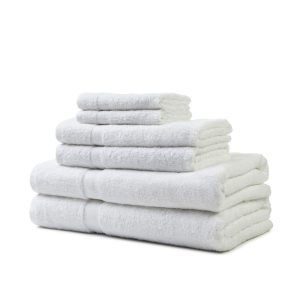
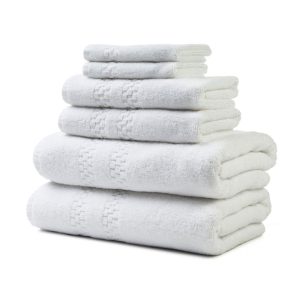
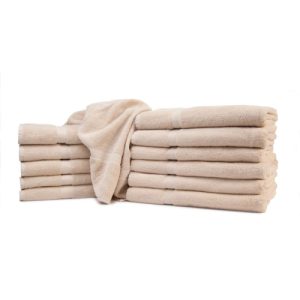
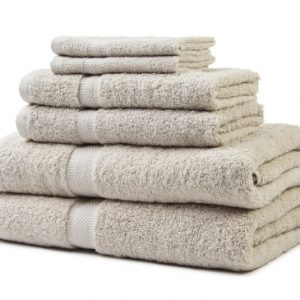
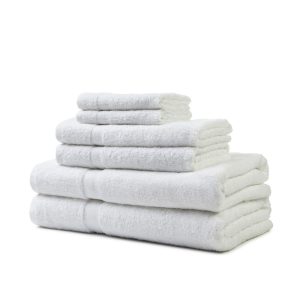
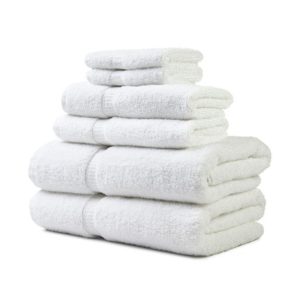
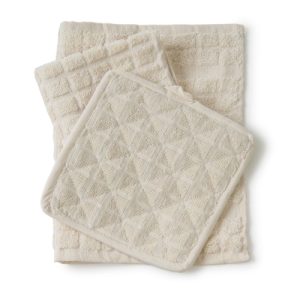
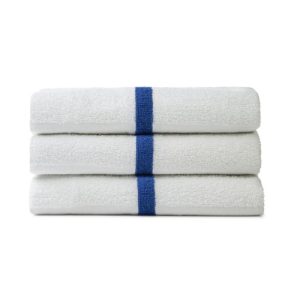
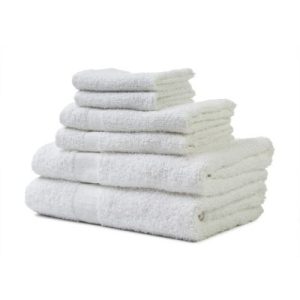
A complete range of towels built for performance, efficiency, and consistency. Whether for guest use, cleaning, or facility operations, each product is designed to handle repeated use while maintaining quality over time.▼
Hotel Towel Supply for Bulk Hotel Towels and Hospitality Teams
Hospitality teams rarely run into linen problems because they forgot to buy product. The real problem is that bath inventory touches housekeeping, laundry, receiving, storage, guest satisfaction, and budget control at the same time. When stock is inconsistent, a room can sit uninspected, a spa cabinet can empty too early, or a pool deck can lean on emergency reserve. A stronger program starts with operating discipline: define what each department needs per shift, how much backup should remain untouched, and what reorder point triggers action before service starts slipping.
For most properties, the best approach is to build a repeatable standard around demand, handling, and replacement timing. That means mapping daily issue volume, confirming shelf capacity, documenting laundry turnaround, and identifying where loss or damage usually occurs. Instead of treating every order like a one-off purchase, procurement can shape a structured plan that helps supervisors anticipate pressure. The result is steadier room readiness, fewer rush orders, more consistent presentation, and clearer accountability across the building.
Multi-property groups benefit even more from this approach. One site may serve business travelers with tight weekday turns, while another may operate as a resort with heavier recreation use and longer guest stays. Both still need consistent quality, dependable delivery, and room standards that match the brand. When leadership sets shared specifications while allowing each location to adjust reserve depth and reorder timing, the portfolio becomes easier to manage without forcing every building into the same workflow.
Procurement should also view bath inventory as part of the wider service system. The same storage zones often hold amenities, cleaning materials, and other housekeeping supplies, so poor planning in one category can create congestion elsewhere. A disciplined program protects not only presentation but also labor efficiency, shelf logic, and financial predictability. That is why strong hospitality sourcing is less about buying pieces in isolation and more about supporting how the property actually runs from dock to guestroom.
Planning room-ready inventory across the property
Documentation helps keep planning consistent even when staffing changes. A short operating sheet can outline daily par by department, backup depth, reorder lead time, overflow storage location, and the person responsible for exception approvals. That kind of document reduces the chance that one manager carries the process in memory while everyone else works from habit. It also makes handoffs cleaner between purchasing, housekeeping leadership, and overnight teams that may need to protect reserve during a late service spike.
Properties that outsource part of their processing should build vendor timing into the same model. Pickup windows, turnaround promises, holiday schedules, and service cutoffs all affect how much depth needs to stay on site. If those details are ignored, the building can appear well supplied on paper while still losing resilience in practice. Strong planning connects consumption, storage, and transport so the team is not surprised by a gap that was visible weeks earlier.
The first step is to replace guesswork with measurable usage rules. Managers should review occupied room count, average length of stay, service level, amenity mix, and laundry capacity before setting pars. A limited-service site may need a leaner reserve model than a full-service resort with spa and recreation demand, but both benefit from clearly defined operating stock and contingency stock. When those two categories are blended together, the team loses visibility into whether the property is prepared or simply reacting later than it should.
Daily rhythm matters as much as monthly volume. Many properties experience concentrated pressure on a small number of arrival and departure days, so averages alone can hide the moments when shelves and laundry are most vulnerable. Looking at weekday patterns, group blocks, event calendars, and checkout surges helps buyers place orders around real demand rather than abstract totals. This is especially useful when a property works with outside laundry or shares storage areas with other high-turn categories.
Leadership should also decide how much stock belongs in carts, closets, central linen rooms, and emergency reserve. Clear rules make training easier because attendants know what should remain staged for active service and what should stay untouched until a trigger is reached. They also support cycle counts, because supervisors can quickly see when actual volume has drifted away from the expected level. The more visible the operating rules are, the less often the team has to improvise when occupancy rises unexpectedly.
Good forecasting includes seasonality, not just typical occupancy. Holiday periods, weddings, conferences, school breaks, and local events can all reshape demand faster than the monthly average suggests. Properties that expand backup depth gradually before these windows tend to spend more intelligently than teams that wait until shortages are already visible. Forecasting will never remove every surprise, but it does reduce disruption by putting procurement, housekeeping, and laundry on the same page before pressure builds.
Finally, planners should document how exceptions are handled. If deliveries run late, if the laundry plant slows down, or if a sudden group arrival changes issue volume, managers need a shared response rather than an improvised one. A written playbook allows department heads to protect the most visible categories first, move reserve deliberately, and preserve inspection standards while the disruption is resolved. That type of structure is what turns inventory from a recurring fire drill into an operating asset.
Receiving and storage workflow that reduces friction
Well-designed storage zones also reduce hidden product loss. When reserve is stacked loosely, mixed across departments, or shelved without a consistent sequence, pieces disappear into the building long before they are formally written off. Management then reads the problem as under-ordering even though a portion of the issue comes from weak control. Better labeling and cleaner bin logic do not solve every shortage, but they tighten visibility enough to improve forecasting and accountability.
Another useful practice is separating received stock by inspection status. Teams can mark new cartons as pending review until count accuracy and finish consistency are confirmed. Once approved, the goods move into active inventory. This small step prevents questionable deliveries from blending immediately into daily use and gives procurement a cleaner way to document problems when they occur.
Volume buying only creates value when shipments are easy to receive, count, shelf, and issue. Reliable carton counts, legible labels, and consistent case packs reduce wasted motion at the dock and in the linen room. If deliveries arrive in mixed quantities or unclear packaging, staff spend extra time verifying counts and reorganizing product before it can support service. Those delays are easy to overlook on paper but become expensive in busy operations with limited labor and narrow delivery windows.
For that reason, procurement teams should evaluate wholesale hotel towels and storage workflow together. The best program is not only about unit price or first impression; it is also about how quickly a shipment becomes usable. Buyers should confirm case counts, label clarity, size identifiers, and whether product can be shelved by department without repacking. When receiving is efficient, count accuracy improves and attendants are less likely to pull the wrong item during a fast room turn.
The same logic applies to replenishment frequency. Some properties gain efficiency from deeper reserve because they have wide back-of-house capacity and predictable use. Others need more frequent deliveries because linen rooms are compact and carts must turn quickly. Neither model is universally better. The right structure depends on physical space, consumption speed, supplier reliability, and how much shelf pressure the operation can tolerate in exchange for additional backup depth.
Consistency across repeat orders matters just as much as the first order. If later deliveries arrive with noticeable variation in brightness, edge finish, or feel, the property may technically have enough stock while still losing the uniform look travelers expect. That is why teams often review bulk hotel towels as both a product decision and a storage decision. Standardized sourcing allows management to reorder against an approved reference point rather than renegotiating quality every time inventory gets low.
Receiving staff should also be part of supplier reviews. They are the people who notice torn cartons, poor stacking behavior, weak labeling, or case sizes that slow shelf rotation. Their feedback is practical and immediate, and it often reveals issues that never show up in a spreadsheet. When management folds those observations into vendor evaluation, the program becomes easier to operate before the product ever reaches the room.
Performance standards that matter after the first wash
Testing should include feedback from the people who handle the category most often. Room attendants can comment on folding ease and visual consistency, laundry leaders can comment on drying behavior and shrink response, and inspectors can comment on how the finished presentation reads in the room. Combining those views creates a stronger approval process than relying on procurement alone. It also makes later replacement decisions more defensible because multiple departments have already aligned on what “good” looks like.
The strongest buying decision is rarely based on showroom softness alone. Hospitality textiles need to hold up under repeated commercial processing, not simply look good on arrival. That means buyers should test absorbency, shape retention, edge durability, fold behavior, and brightness stability over time. A piece that looks attractive on day one but weakens after repeated turns can quickly cost more through replacements, inspection failures, and extra labor.
Every property should establish a short review process for the first wash, fifth wash, and later checks during normal operation. Comparing those stages helps the team separate a strong initial finish from real long-term value. It also gives procurement a cleaner basis for future orders, because decisions are based on documented performance instead of memory. When testing is done during both normal and busy periods, managers get a more honest view of how the program holds up under pressure.
Visible room categories deserve special care because guests interact with them directly. A dependable bath towel should feel comfortable in use while still moving efficiently through wash and dry cycles. If the construction is too light, it may feel underwhelming in-room. If it is too heavy, it may slow laundry throughput and create bottlenecks during peak turnover. The best specification balances comfort, absorbency, and processing practicality rather than maximizing only one of those goals.
Smaller visible pieces matter too. A well-chosen hand towel needs to keep its structure, present cleanly on the vanity, and cycle through laundry without fraying too quickly. Because these pieces often move through service faster than expected, properties should monitor replacement pace instead of assuming the smaller size makes them less important. Attention to stitching, fold consistency, and shelf presentation helps prevent the quiet shortages that can disrupt a polished room set.
Buyers should also compare cost per use instead of purchase price in isolation. A cheaper item may look attractive on the invoice while becoming expensive through short life, uneven appearance, or frequent reorders. Slightly higher upfront cost often creates better value when the product holds its shape, keeps a clean look, and supports faster daily handling. That broader view is what protects both the guest experience and the operating budget over the full life of the program.
Department-based allocation for guestrooms and public spaces
Allocation rules become even more important in properties that host events, wellness programming, or multiple guest segments under one roof. A weekend wedding block may pressure public spaces differently from a weekday corporate mix, and a family-heavy holiday can shift demand away from some areas while intensifying it elsewhere. When issue points are mapped in advance, the team can rebalance reserve intentionally instead of pulling product from whichever shelf happens to be closest.
Not every department should draw inventory in the same way. Guest bathrooms, public washrooms, spa areas, housekeeping closets, and service stations each have different usage patterns and presentation standards. Treating them as one blended category makes it harder to identify where demand is really coming from. A department-based map gives leaders cleaner replenishment data and helps supervisors protect stock intended for a specific use.
In-room categories usually require the tightest control because presentation is judged immediately. Clear rules for guestroom towels make inspections faster and reduce rework caused by mismatched size, shade, or finish. When approved standards are stable, attendants can restock with less hesitation and supervisors can identify off-spec product sooner. That consistency supports both room readiness and brand presentation at the same time.
Public-area use follows a different rhythm. Fitness spaces, support stations, and washrooms may need midday replenishment rather than once-per-shift restocking. That changes where reserve should be staged and how counts should be reviewed. Mapping those differences by department reduces the temptation to borrow from room-ready stock whenever another area falls short. It also improves training because new hires can see which pieces belong in which zone and when a shortage should be escalated.
Allocation planning works best when issue points are simple. Storage labels, standard pars, and visual backup zones reduce time spent searching for product during a busy service window. They also make audits more useful, because supervisors can compare actual counts to expected levels without recreating the logic every time. Simple systems are easier to teach, easier to enforce, and much more likely to survive turnover in frontline staffing.
Properties with multiple service tiers may benefit from separate issue maps for standard rooms, upgraded rooms, wellness areas, and public spaces. This helps management protect higher-cost items from drifting into everyday use and gives procurement better data for quarterly review. Better visibility at that level improves forecasting and helps explain why one department seems stable while another burns through reserve far faster than expected.
Premium formats for suites, spas, and elevated stays
Premium positioning should also be measured against replacement discipline. If a larger or softer format is introduced into suites but the team does not track wear separately, the cost of the upgrade becomes difficult to evaluate. A small department code or issue designation can make a major difference here, because it tells leadership whether the premium choice is supporting rate strategy or simply adding complexity without a clear return.
Some properties add a larger format in selected spaces to create a more generous experience for premium rooms, club levels, or treatment areas. That strategy can work well when it has a clear service purpose and an operating plan that supports it. A larger item changes cart loading, shelf depth, wash weight, drying time, and replacement budgeting, so leadership should treat the upgrade as an operating decision rather than a design-only choice.
In many cases, a targeted bath sheet program works better than a universal rollout. Keeping the larger format limited to suites, spa treatment rooms, or high-rate leisure inventory allows the property to create an elevated feel without forcing every closet, cart, and dryer load to absorb the additional bulk. This approach also protects cost control because management can match the upgrade to spaces where it is most likely to influence perception and satisfaction.
Before expansion, teams should test how the larger format moves through the building. Can shelving handle the folded size? Does it reduce cart capacity for other categories? Can laundry dry it consistently during a high-turn weekend? A short trial is usually enough to show whether the idea adds value or simply creates friction. That small pilot often prevents expensive rollout mistakes and gives leadership a stronger basis for deciding how widely the premium format should appear.
Premium programs are most effective when inspection standards and issue rules change with them. If the item is upgraded but the surrounding workflow is left untouched, the property may get a more impressive product without a better operation. Aligning product choice with shelf logic, reserve depth, and laundry timing keeps the elevated offer intentional instead of making it feel like an isolated purchase. Guests notice the result, but teams feel the process behind it every day.
Outdoor and recreation demand that changes reserve strategy
Outdoor categories often create downstream pressure in places managers do not expect. A busy afternoon at the deck can compress sorting space, extend dryer queues, and pull labor away from indoor resets just before evening arrivals. That ripple effect is why recreation planning should sit inside the broader operating conversation instead of being handled as a separate amenity issue. When the reserve model accounts for those downstream effects, the whole service system becomes steadier.
Recreation-heavy properties face a different pressure pattern from standard room operations. Warm-weather destinations, family resorts, and wellness-oriented hotels may move large volumes around outdoor amenities throughout the day, especially on weekends and during school breaks. Demand is less predictable, loss rates may be higher, and restocking often happens multiple times in a shift. Reserve planning for these areas usually needs to be more conservative than it is for guestrooms.
A dedicated pool towel plan should consider climate, amenity hours, retrieval habits, traffic pattern, and service style. Some operations prioritize speed and easy counting because the category moves constantly between guests, collection points, and laundry. Others care more about visual weight because the recreation area is a visible part of the brand experience. The right specification depends on both guest expectations and the internal process that supports fast turnover.
Loss prevention deserves the same attention as replenishment. Open-access decks, day passes, family traffic, and event-heavy weekends can raise disappearance rates quickly. If these categories are not planned separately, the team may start borrowing from indoor reserve, which puts room readiness at risk and makes forecasting less accurate everywhere else. A stronger strategy treats recreation demand as part of the core bath program rather than an afterthought solved only when shelves start thinning out.
Peak periods should be reviewed in advance. Holiday weekends, destination events, and heat waves are the moments when outdoor use surges and urgent freight can be hardest to secure. Raising reserve before those periods and normalizing it afterward usually protects service far better than reactive buying at the height of the rush. This is also where communication between procurement, recreation, and laundry becomes most valuable because each team can see the same signals before the category slips out of control.
Material standards, cotton performance, and visual consistency
Material review should not stop at the visible pile or initial softness. Procurement teams should pay attention to yarn integrity, edge construction, density balance, and how the finish responds after repeated contact with commercial chemistry. These details influence whether the piece keeps a clean profile or starts looking tired sooner than expected. The more rigorous the review is upfront, the less likely the property will need a corrective replacement cycle later.
Material choice shapes feel, absorbency, appearance, and longevity. Many operators continue to prefer cotton towels because they offer familiar comfort and dependable moisture pickup, but not every cotton product performs the same way. Yarn quality, construction method, finishing discipline, and manufacturing tolerance all influence whether the item still looks strong after repeated commercial washing. Procurement should review the sample under real conditions instead of relying on appearance alone.
Repeatability is just as important as the first approval. A property may sign off on an attractive sample and then receive later orders that vary in pile, brightness, or finish. Once mixed together, those differences become visible on shelves and in-room. Teams should ask how future runs will match the approved standard and which controls the supplier uses to reduce variation across production. That protects the clean, white look many properties want while reducing the risk of mismatched presentation.
Testing should be done the way the building actually processes inventory, with similar chemistry, temperatures, and load pressure. This can also help compare consistency across different mills before a long-term commitment is made. When samples are reviewed side by side after multiple wash cycles, leadership gets a clearer view of which option keeps softness, structure, and brightness instead of fading quickly after the first impression.
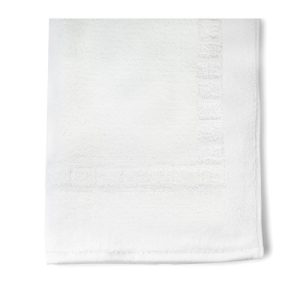
Procurement leaders should evaluate visible bath categories as a coordinated room set rather than as isolated purchases made whenever a shelf runs low. Texture, fold logic, shade, and finishing should work together so the room feels intentional. This is also why bath mats need review alongside the rest of the set. They may not dominate the buying conversation, but they sit directly inside the visual presentation and can weaken inspection quality when they do not match the established standard.
Operationally, buyers should confirm that the chosen construction supports easy handling. A fabric made for hospitality use should look polished, feel consistent, and move through commercial processing without creating unnecessary drying delays. The right balance between comfort and practicality protects both service and cost control. It also gives managers a clearer benchmark for future replacement decisions, because the approved standard is tied to how the property performs in real life rather than to a single showroom moment.
Because appearance and handling are connected, the product should feel dependable to the touch while still supporting the pace of commercial use. Procurement can usually make that judgment only after testing real loads rather than isolated hand samples. The more closely the evaluation reflects actual operation, the easier it is to select a standard that stays stable through routine use.
Logistics, forecasting discipline, and long-range replacement
A strong program depends on more than picking the right item. Lead times, reserve triggers, delivery rhythm, and issue-resolution rules should all be defined before demand spikes. When those expectations are written down, properties can respond to pressure with more confidence and less scrambling. Reliable logistics reduce emergency freight, support steadier budgeting, and make it easier for on-property leaders to maintain room standards when occupancy shifts quickly.
Replacement planning should reflect actual wear life instead of habit. Management teams do well when they review issue volume, damage trends, laundry throughput, and storage limits together rather than in separate conversations. That shared review helps explain why one category seems to disappear faster, why another keeps falling below par, or why a reorder that looked reasonable on paper turns out to be late in practice. Better information leads to better timing.
Communication is a major part of supplier value. Teams need direct answers when shipments arrive short, when count discrepancies appear, or when substitutions are proposed. The best relationship is the one that helps operations stay calm under pressure, not merely the one that looked attractive at quote stage. A dependable vendor should support practical problem-solving, clear status updates, and repeatable execution across the year.
Forecast discipline improves when leadership reviews replacement history as a trend rather than as scattered invoices. Looking back at twelve months of orders, shortages, and emergency purchases reveals whether the property is truly under-par, over-buying, or simply reacting too late. That trend view is especially helpful for growing portfolios because new service tiers, renovations, and repositioning efforts can change consumption long before the finance line clearly reflects it.
Set department pars based on real issue volume and storage limits.
Track delivery exceptions and repeatability across every reorder cycle.
Review replacement history quarterly instead of waiting for visible shortages.
Align procurement, housekeeping, laundry, and receiving on the same reserve rules.
A long-range sourcing model should therefore be practical, teachable, and easy to audit. It should tell teams when to reorder, where reserve belongs, how substitutions are handled, and which categories get protected first during disruption. The better those rules are documented, the easier it becomes to preserve service quality even when demand shifts quickly or several departments are pulling on the same inventory at once.
Quarterly scorecards can make that review process more useful. Measuring fulfillment accuracy, consistency, packaging quality, and issue resolution creates a practical record of how the program is performing. Over time, that record helps leadership renew with confidence, correct weak points early, and align future orders with the property’s real operating model. It also gives ownership a clearer explanation of why certain changes improved service while others did not.
Long-range planning should also include adjacent categories that share space with bath inventory. Amenities, guest toiletries, and staff-use apparel can all compete for storage at the same time, especially during peak periods or renovation phases. When procurement reviews those overlaps early, the property can protect workflow instead of solving one shortage by creating another. The more complete the forecast is, the easier it becomes to keep service stable without overbuying.
Frequently asked questions for hospitality buyers
How often should a property review its replenishment plan?
Most teams benefit from a formal quarterly review, with extra checks before holiday periods, major events, renovations, and service-level changes. A routine review makes it easier to compare actual use against forecast and adjust reserve before shortages become visible.
What should buyers compare when evaluating a supplier?
They should compare repeatability, wash performance, packaging quality, communication speed, and delivery reliability. Price matters, but stable execution usually has the greater effect on long-term operating success.
Can one standard work across different property types?
Yes. A shared framework can support resorts, boutiques, limited-service sites, and larger full-service hotels as long as the core specification stays consistent and reserve depth is adjusted for each building’s operating pattern.
Why do some properties struggle even when they seem to order enough?
The issue is often not total volume but poor visibility. When storage rules, issue logic, and replacement timing are unclear, product can sit in the building while the team still feels constantly short.
How closely should future orders match the approved standard?
As closely as possible in dimension, finish, brightness, and construction so older and newer stock can work together without making the room look inconsistent.
Review your reserve strategy, compare replacement timing, and request a room-ready sourcing plan when your team is ready to align procurement, storage, and daily service under one operating standard.
Operational calm is often the clearest sign that a sourcing model is working. Supervisors are not spending their shift hunting reserve, laundry is not constantly reprioritizing because one category was misjudged, and receiving is not trying to decode inconsistent deliveries under time pressure. Those day-to-day improvements may look small on their own, but together they create a steadier service environment and a more reliable standard for the guest-facing team.
That steadiness also improves budgeting conversations. When replacement timing is planned, reserve logic is documented, and exceptions are tracked, ownership gets a clearer picture of why money is being spent and what those purchases are protecting. Instead of reacting to shortages as isolated surprises, leadership can see the program as an operating system with measurable inputs and measurable outcomes. That visibility is often what allows a property to move from recurring linen frustration to sustainable control.
For portfolio operators, a shared review cadence can make improvement faster. When each property reports reserve position, exception trends, and replacement pace in the same format, leadership can compare performance without stripping away local context. That makes it easier to see whether a shortage is tied to demand, process, or sourcing, and it helps stronger locations transfer useful habits to sites that are still relying on emergency ordering.