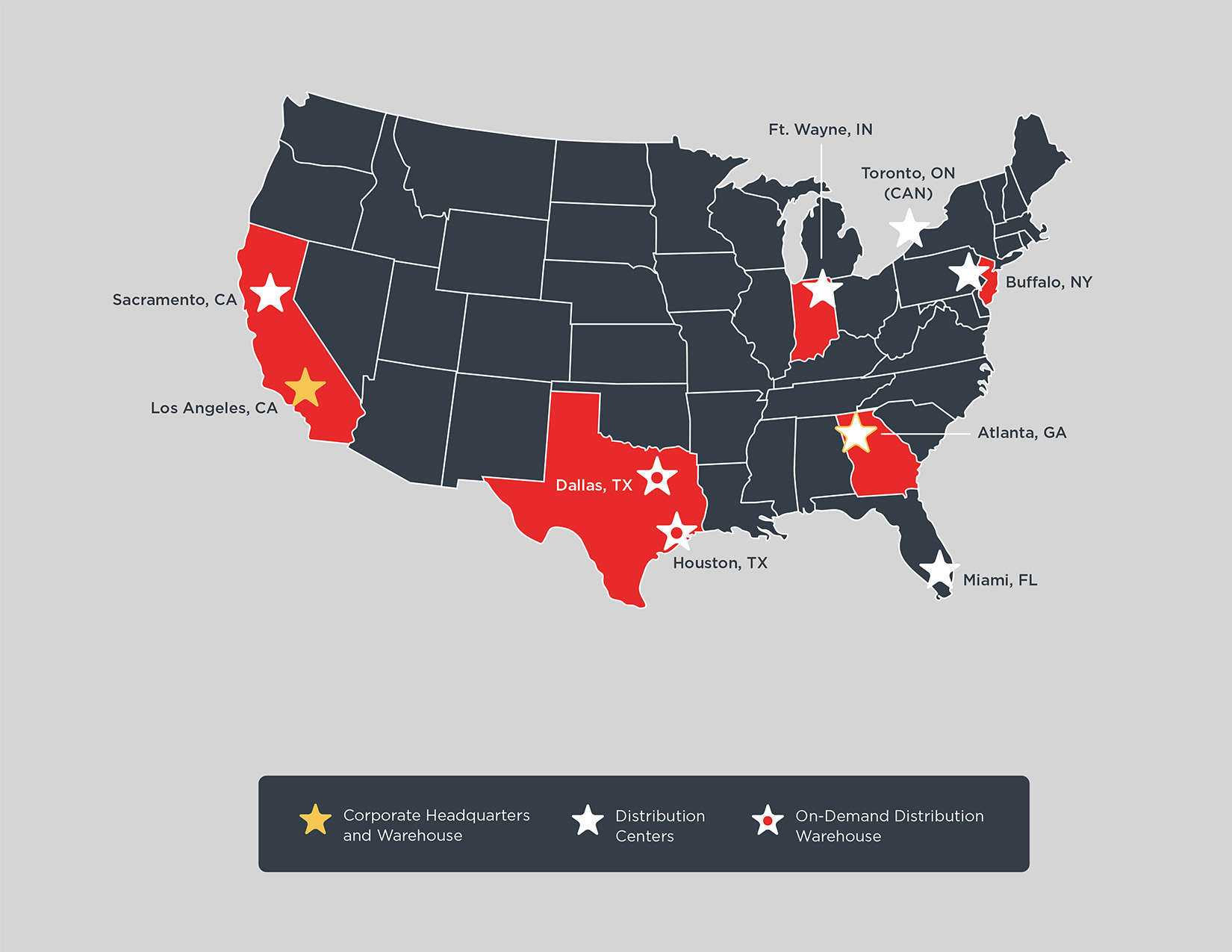
We Stock For You Through Our Nationwide Distribution Network
Linen Suppliers for Nationwide Business Orders
Businesses that depend on repeat service need textile inventory they can trust. Hospitality groups, fitness operators, healthcare teams, and dining venues all rely on steady stock, dependable delivery windows, and materials that stand up to frequent laundering. The right sourcing partner helps buyers manage volume, protect budgets, and keep daily operations moving without interruption. Instead of chasing replacements at the last minute, purchasing teams can work from clear specifications, practical lead times, and a replenishment plan built around real usage.
Strong procurement starts with understanding how each location operates. Some sites move quickly through bath items, while others focus on bedding, table service, or support materials. Buyers often compare absorbency, weight, stitching, shrink control, and reorder speed before making a decision. They also want responsive communication and freight planning that fits both regional and nationwide distribution. When supply is organized well, staff spend less time solving shortages and more time serving guests, members, and patients.
What businesses need from a dependable source
Most purchasing teams look for consistency, value, and service. A good partner explains fabric options clearly, recommends realistic reorder schedules, and delivers the same standard from one shipment to the next. That matters whether a buyer is sourcing room essentials, dining pieces, or back-of-house cleaning materials. Clear specifications reduce mistakes and make it easier to compare options across multiple locations.
Smart sourcing is not only about the lowest unit price. Buyers also look at replacement cycles, wash performance, and how a vendor handles seasonal demand. A program that appears inexpensive at first can become costly if pieces wear out too quickly or arrive late during a busy period. Reliable vendors help businesses balance durability with presentation so the result supports both efficiency and customer experience.
Choosing a wholesale linen supplier for scale
Growing organizations usually need a wholesale linen supplier that can support volume without adding complexity. Centralized ordering, repeatable specifications, and dependable freight planning are often more valuable than a broad catalog alone. Buyers benefit when account support is responsive and when replenishment schedules can change as usage rises or falls.
National accounts also need visibility. A capable vendor should explain what is in stock, what requires lead time, and which substitutions still align with the approved standard. That type of guidance supports smoother purchasing across hospitality, wellness, food service, and institutional environments. It also gives managers a practical path for growth without losing control of cost or presentation.
Industry requirements and commercial performance
Every sector uses textiles differently, so the right program is built around the end use. Hospitality teams focus on presentation, fast room turns, and dependable restocking. Fitness facilities care about absorbency, wash resilience, and storage efficiency. In healthcare settings, managers prioritize dependable construction and materials suited for frequent laundering. Dining programs want pieces that look refined while remaining easy to maintain. A strong commercial linen program accounts for these differences from the start.
These operational details shape what should be ordered, how much should be stocked, and when replenishment should happen. Thoughtful suppliers ask about turnover, laundering routines, presentation standards, and shelf space before recommending quantities. That approach lowers waste and helps each site maintain a consistent standard even when demand shifts quickly.
Fine linens and practical performance
Buyers do not have to choose between appearance and durability. Many programs combine fine linens for presentation areas with harder-wearing options for everyday rotation. This works well for properties that want elevated spaces without overspending on every item in circulation. Material selection should reflect how each piece will actually be used, washed, stored, and replaced over time.
A balanced assortment can include softer finishing touches for premium spaces, durable basics for high-volume use, and specialized fabrics for dining service. The goal is not simply to buy more; it is to buy smarter. With the right mix, businesses can protect the look of a property while still meeting operational targets for lifespan and budget.
Bedding, bath, and dining programs
Many buyers prefer one source that can support several categories at once. That may include wholesale bedding for guestrooms, wholesale towels for bath or spa use, and coordinated dining pieces for banquets or food service. Keeping these categories aligned under one purchasing strategy reduces complexity and makes replenishment easier to manage across departments.
A unified program can also improve presentation. Matching standards for color, weight, finishing, and reorder timing help teams avoid a mixed look. It gives managers a better handle on inventory flow and helps accounting teams forecast more accurately from one quarter to the next.
Linen solutions for multi-location operations
Large organizations often need more than inventory. They need linen solutions that simplify ordering, reduce confusion, and support stable service across many properties. This can include standardized specifications, standing replenishment, usage reviews, and account guidance that keeps each site aligned with brand expectations.
For many buyers, a regional or nationwide partner also becomes a planning resource. Good guidance can highlight demand patterns, suggest reasonable backup quantities, and recommend categories that fit real operating conditions. That helps improve fill rates and reduces both overbuying and emergency purchasing.
How quality linen supports long-term value
Strong purchasing decisions usually come from thinking beyond the first invoice. Quality linen performs more predictably, keeps its appearance longer, and helps reduce unnecessary replacements. Over time, that can lower ownership cost and make budgeting more stable. Buyers also gain confidence when material, construction, and finish are chosen for the workload rather than for short-term savings alone.
This is where specification matters. Fabric weight, seam strength, absorbency, and finish all affect long-term performance. A dependable program should make those details easy to understand, so buyers can match the right option to the right use instead of relying on guesswork.
Order planning and replenishment support
Good procurement is easier when there is a clear process. A buyer may start with current usage, growth expectations, and delivery requirements. From there, the vendor can recommend a phased plan that covers core categories, reserve stock, and replacement timing. This is especially useful when a business is opening new rooms, refreshing a dining program, or improving storage procedures across several sites.
Support should continue after the first shipment. Ongoing reviews help teams refine quantities, compare performance, and decide when to shift between standard and luxury linen options. Over time, that kind of partnership creates steadier products availability and fewer urgent purchases. It also helps organizations maintain a consistent presentation while keeping their supply strategy practical.
Frequently asked questions
- What businesses benefit most from bulk programs?
Hotels, resorts, gyms, care environments, and food-service groups often benefit because they use higher volume and need predictable replenishment. - Can one vendor support several categories?
Yes. Many buyers prefer a single source for bath, bedding, dining, and support items so ordering stays organized. - What should buyers review before a large order?
Key points include use case, construction, weight, finish, storage space, expected wash frequency, and delivery timing.